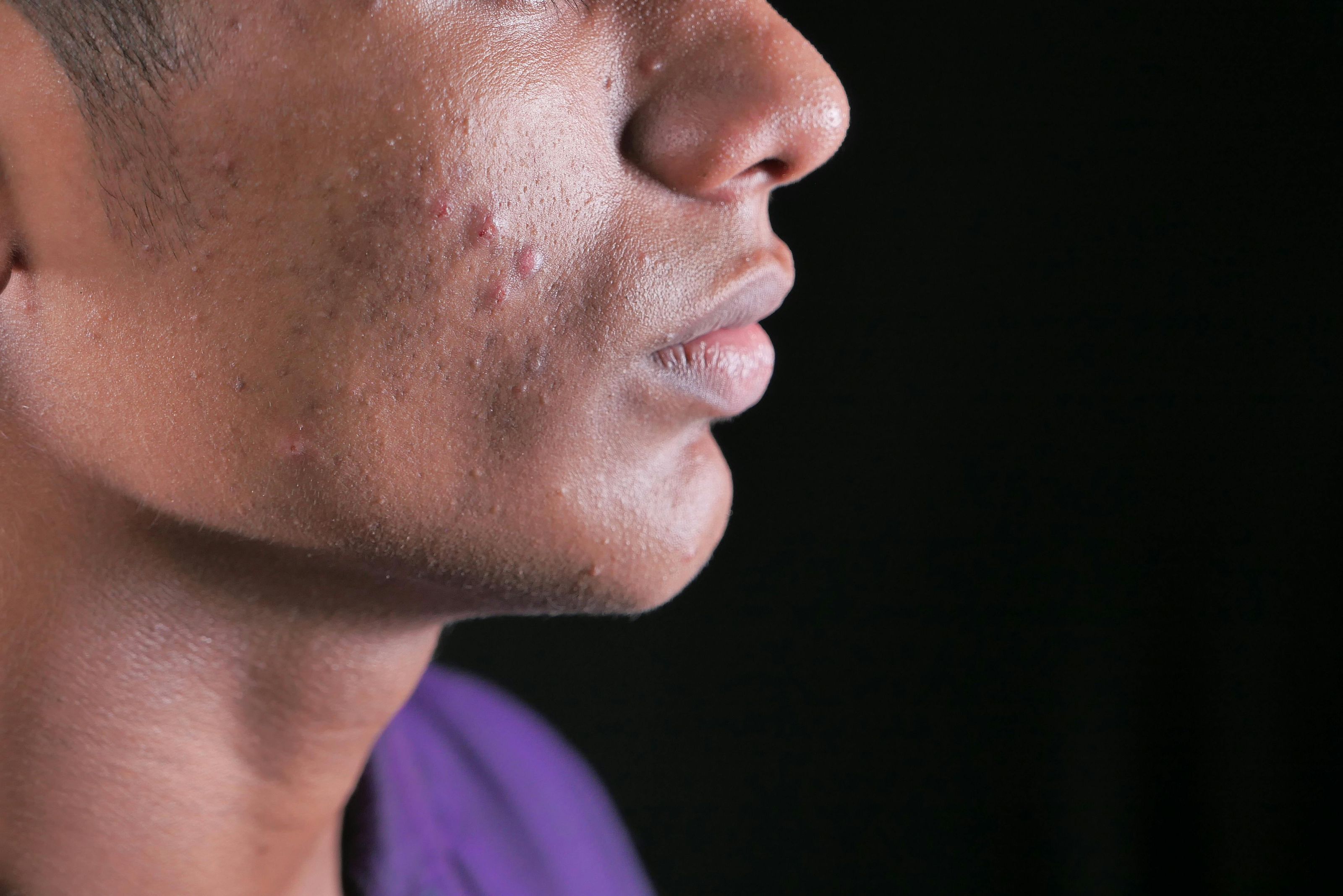

Cystic acne inflicts both physical and emotional pain unlike any other skin condition. These deep, inflamed lesions burrow beneath the skin's surface, creating tender nodules that can persist for weeks or months. The throbbing discomfort, visible inflammation, and high risk of permanent scarring make cystic acne a dermatological emergency requiring prompt, aggressive treatment.
At Honeydew, we understand the urgency of treating cystic acne effectively. Our providers are experienced in comprehensive treatment strategies that not only clear existing cysts but prevent future outbreaks and minimize scarring. We believe that no one should suffer through the pain and lasting consequences of untreated cystic acne.
Understanding Cystic Acne: More Than Deep Pimples
Cystic acne develops when the perfect storm of factors converges deep within hair follicles. Unlike surface-level acne, cysts form when severe inflammation causes the follicle wall to rupture deep under the skin, spreading infection and inflammatory material into surrounding tissue.
This medication is very effective for treating severely inflamed lesions, nodular acne, and cystic acne. The depth and severity of inflammation distinguish cystic acne from all other acne types, explaining why it requires more intensive treatment approaches.
The cysts themselves aren't true cysts in the medical sense—they're severe inflammatory lesions filled with pus, dead skin cells, and bacteria. This inflammatory soup creates the characteristic large, red, painful bumps that define cystic acne. Without proper treatment, these lesions heal slowly, often leaving behind deep scars or dark marks that persist for months or years.
The Four Factors Behind Cystic Acne Formation
Four interconnected factors create the conditions for cystic acne: excessive sebum production, abnormal skin cell shedding, bacterial proliferation, and severe inflammation. In cystic acne, these factors operate at their most extreme levels.
Sebaceous glands in cystic acne patients often produce dramatically more oil than normal. This excess sebum combines with dead skin cells that fail to shed properly, creating dense plugs deep within follicles. The anaerobic environment allows Cutibacterium acnes bacteria to flourish, triggering an intense inflammatory response.
The inflammation in cystic acne goes far beyond typical acne. The immune system mounts an aggressive response, sending white blood cells that create pus and cause tissue damage. This excessive inflammation causes the follicle wall to rupture, spreading the inflammatory process to surrounding tissue and creating the large, painful nodules characteristic of cystic acne.
Why Cystic Acne Demands Aggressive Treatment
The depth and severity of cystic acne lesions make them resistant to conventional treatments. Topical medications struggle to penetrate deep enough to reach the source of inflammation. Over-the-counter products prove virtually useless against these deep-seated lesions.
More concerning is cystic acne's high potential for scarring. The intense inflammation damages collagen and elastin in the dermis, creating depressed scars that are difficult and expensive to treat once formed. Every day of delayed treatment increases the risk of permanent scarring.
The psychological impact of cystic acne cannot be understated. The visible nature of the condition, combined with pain and scarring risk, frequently causes anxiety, depression, and social isolation. Studies consistently show that severe acne significantly impacts quality of life, making prompt, effective treatment essential for both physical and mental health.
First-Line Treatments: Building the Foundation
While cystic acne typically requires systemic treatment, a comprehensive approach often begins with prescription topicals and oral antibiotics to reduce inflammation and prevent new lesions.
Oral Antibiotics for Inflammation Control
Doxycycline serves as a first-line oral treatment for inflammatory cystic acne. Beyond its antibacterial effects, doxycycline provides powerful anti-inflammatory action that helps calm existing cysts and prevent new ones.
Treatment typically starts at higher doses to quickly control inflammation, then tapers to a maintenance level. While antibiotics don't address all underlying causes of cystic acne, they provide valuable initial control while starting other treatments.
Duricef offers an alternative for patients who cannot tolerate tetracycline antibiotics. The goal is using antibiotics for the shortest effective duration while implementing long-term solutions.
Prescription Topicals: Supporting Systemic Treatment
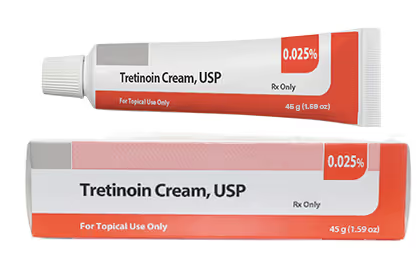
Though limited by penetration depth, prescription topicals play a supporting role in cystic acne treatment. Tretinoin helps normalize skin cell turnover, potentially preventing new cysts from forming.
Clindamycin, especially when combined with benzoyl peroxide, provides topical antibacterial and anti-inflammatory effects. While these won't eliminate existing cysts, they help prevent new lesions and treat coexisting non-cystic acne.
Hormonal Therapy for Cystic Acne
Many cases of cystic acne, particularly in women, have strong hormonal components. Addressing these hormonal triggers can dramatically improve cystic acne.
Spironolactone: Blocking Androgen Effects
Spironolactone effectively treats hormonally-driven cystic acne in women. The drug minimizes the impact of testosterone, reducing sebum production that feeds cystic acne formation.
Women with cystic acne along the jawline and lower face often respond particularly well to spironolactone. The medication can be especially effective when combined with other treatments, providing hormonal control while other medications address inflammation and bacteria.
Accutane: The Gold Standard for Cystic Acne
For persistent or severe cystic acne, Accutane (isotretinoin) represents the most effective treatment available. This medication is used to treat any type of acne, especially persistent acne that hasn't responded adequately to other treatments.
How Accutane Conquers Cystic Acne
Accutane works through multiple mechanisms that specifically target cystic acne's underlying causes. During treatment, sebum production decreases by 90%, eliminating the oil that feeds cyst formation.
The medication normalizes keratinization, preventing the abnormal skin cell shedding that clogs pores. It reduces P. acnes bacteria populations and provides potent anti-inflammatory effects that calm existing cysts while preventing new ones.
Unlike other treatments that must be continued indefinitely, Accutane often provides long-lasting or permanent improvement after a single treatment course. Many patients with severe cystic acne experience complete clearance that persists for years or permanently.
Modern Approaches to Isotretinoin Treatment
At Honeydew, we specialize in personalized isotretinoin protocols that maximize effectiveness while minimizing side effects. Low-dose Accutane regimens extend treatment duration while using smaller daily doses, significantly reducing side effects like dryness while maintaining excellent results.
Absorica, a better-absorbed formulation, allows for more consistent results and potentially lower doses. This is particularly beneficial for patients concerned about side effects or those who struggle with the dietary requirements of standard isotretinoin.
Combination Therapy: Maximizing Results
Research consistently shows that combination therapies outperform monotherapy for severe acne. For cystic acne, combining treatments addresses multiple pathogenic factors simultaneously.
A typical combination approach might include starting oral antibiotics to quickly reduce inflammation, adding tretinoin to normalize skin cell turnover, incorporating spironolactone for hormonal control in appropriate patients, then transitioning to Accutane for comprehensive, long-lasting treatment.
Custom compounding allows creation of personalized topical formulations that complement systemic treatments. These might combine anti-inflammatory agents, antibiotics, and retinoids in concentrations tailored to individual tolerance and needs.
Managing Active Cysts: Immediate Relief Strategies
While systemic treatments work to prevent future cysts, managing active lesions requires additional strategies to minimize pain, speed healing, and prevent scarring.
Intralesional Injections
For particularly large or painful cysts, dermatologists can inject corticosteroids directly into the lesion. These injections rapidly reduce inflammation, often shrinking cysts within 24-48 hours. While not addressing underlying causes, they provide valuable relief and may prevent scarring from severe lesions.
Proper Wound Care
Never attempt to pop or squeeze cystic acne. The deep location and intense inflammation make drainage impossible and significantly increase scarring risk. Instead, apply warm compresses to promote natural drainage and use gentle, non-comedogenic moisturizers to support healing.
Some patients benefit from hydrocolloid patches on draining cysts. These patches absorb fluid while protecting the wound from bacteria and preventing picking.
Preventing and Treating Cystic Acne Scars
Preventing scarring requires aggressive treatment of active cystic acne. Every cyst carries scarring potential, making early intervention crucial. However, when scarring occurs despite treatment, various options can improve appearance.
During active treatment, ingredients like tretinoin help remodel skin and may improve shallow scarring. After cystic acne clears, procedures like chemical peels, microneedling, or laser therapy can address deeper scars. These treatments work best when acne is fully controlled, as treating scars while new cysts form proves futile.
Post-inflammatory hyperpigmentation, the dark marks left after cysts heal, often improves with time and appropriate treatment. Ingredients like azelaic acid, vitamin C, and hydroquinone can accelerate fading, though patience is required as these marks can persist for months.
The Psychological Impact of Cystic Acne
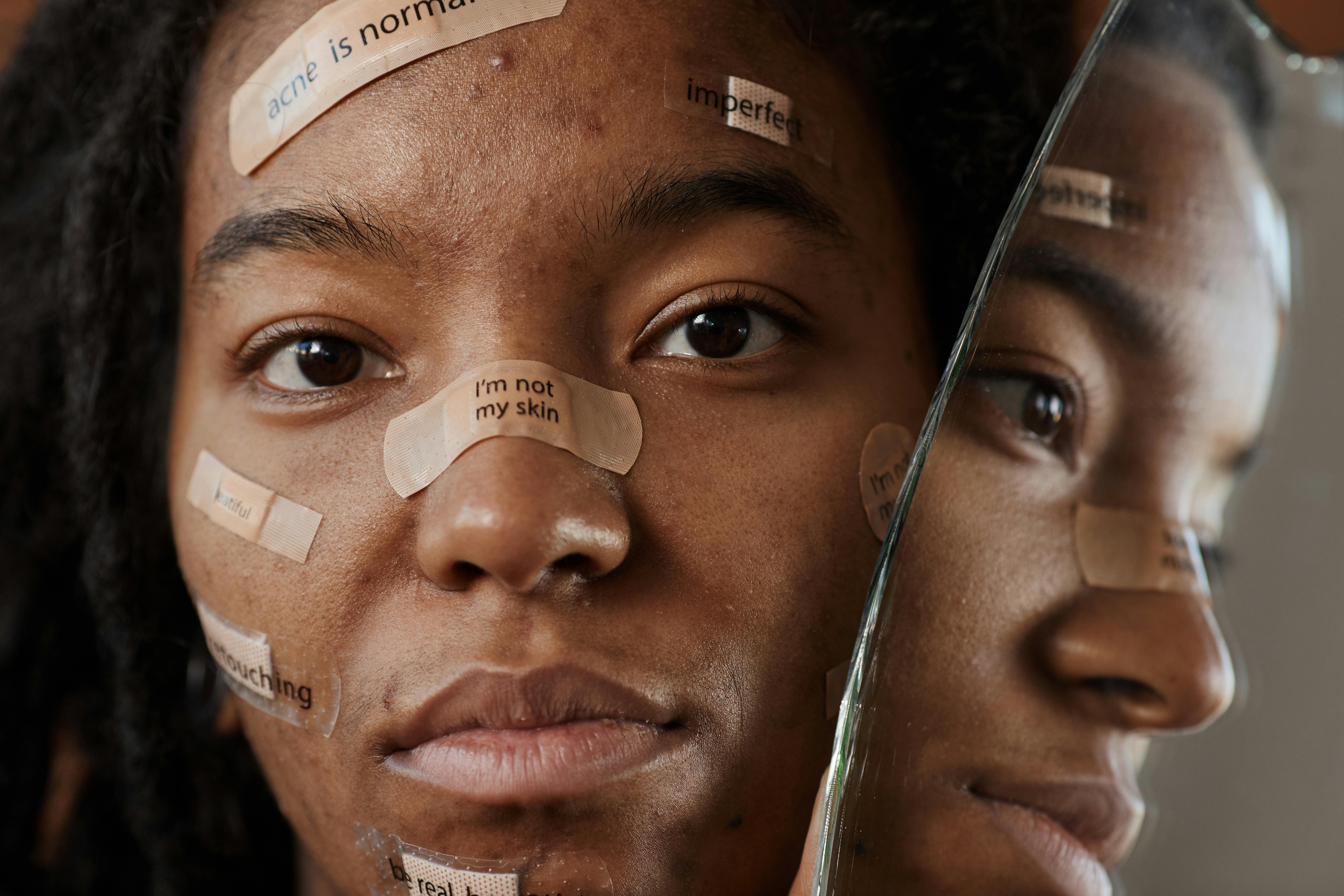
Cystic acne's psychological toll often equals or exceeds its physical impact. The visible nature of the condition, combined with pain and scarring concerns, frequently triggers significant emotional distress.
Studies show severe acne correlates with increased rates of depression, anxiety, and social withdrawal. The condition can affect academic or work performance, relationships, and overall quality of life. Recognizing and addressing these psychological impacts is essential to comprehensive cystic acne care.
Effective treatment often dramatically improves psychological well-being alongside skin clearance. Patients frequently report increased confidence, improved social interactions, and better overall mental health as their cystic acne resolves.
Lifestyle Modifications for Cystic Acne Management
While medical treatment remains essential for cystic acne, certain lifestyle modifications can support healing and prevent exacerbation.
Dietary Considerations
Emerging evidence suggests high-glycemic foods and dairy may worsen acne in some individuals. While diet alone won't cure cystic acne, reducing these foods while increasing omega-3 fatty acids and antioxidants may support treatment.
Staying well-hydrated supports skin healing and helps manage dryness from acne medications. Adequate protein intake provides building blocks for skin repair.
Stress Management
Stress can trigger or worsen cystic acne through effects on hormones and inflammation. Implementing stress management techniques—regular exercise, adequate sleep, meditation, or therapy—can support medical treatment.
Skincare Practices
Gentle skincare is crucial when treating cystic acne. Avoid harsh scrubs or aggressive cleansing that can worsen inflammation. Use non-comedogenic products and remove makeup thoroughly but gently.
Sun protection becomes especially important during cystic acne treatment. Many medications increase photosensitivity, and sun exposure can worsen post-inflammatory hyperpigmentation.
When to Seek Emergency Care
While cystic acne typically isn't a medical emergency, certain situations warrant immediate attention. Seek prompt care if cysts become extremely painful or show signs of serious infection (spreading redness, fever, or pus drainage), if you develop multiple cysts rapidly over large body areas, or if cystic acne appears with other systemic symptoms like joint pain or fever.
Additionally, if cystic acne causes severe psychological distress or suicidal thoughts, immediate mental health support is essential. The emotional impact of severe acne is real and deserves prompt attention.
The Importance of Professional Treatment
Cystic acne requires professional medical treatment. Over-the-counter products and home remedies prove ineffective against these deep lesions, and delayed treatment increases scarring risk.
A dermatology provider can accurately diagnose cystic acne, differentiate it from other conditions, prescribe appropriate systemic medications, monitor for treatment side effects, and adjust therapy based on response.
Professional treatment also ensures appropriate screening for underlying conditions that might contribute to cystic acne, such as polycystic ovary syndrome or other hormonal disorders.
Treatment Timeline and Expectations
Understanding realistic timelines helps maintain treatment compliance during the challenging journey to clear skin. Initial improvement with oral antibiotics often occurs within 2-4 weeks, though complete clearance takes longer.
Hormonal treatments like spironolactone typically show results within 3-6 months. Patience is required as hormone levels gradually adjust.
Isotretinoin treatment usually spans 4-6 months, with initial worsening possible before improvement begins. Most patients see significant improvement by month three, with continued clearing throughout treatment.
After achieving clearance, maintenance therapy prevents recurrence. This might involve topical retinoids, hormonal treatment continuation, or periodic treatment adjustments based on skin response.
Your Partner in Conquering Cystic Acne
At Honeydew, we specialize in comprehensive acne treatment that addresses both immediate concerns and long-term skin health. Our providers understand the urgency of treating severe acne effectively to prevent scarring and restore quality of life.
We offer the full spectrum of cystic acne treatments, from initial control with doxycycline or spironolactone to definitive treatment with Accutane or low-dose Accutane protocols. Our approach includes custom-compounded medications to support healing while minimizing irritation.
Through our entirely online platform, we provide convenient access to expert care, regular monitoring, and treatment adjustments. We manage your entire treatment journey, from initial consultation through clearance and maintenance, ensuring you achieve the clear, healthy skin you deserve.
Cystic acne doesn't have to leave permanent marks on your skin or your life. With proper treatment, even the most severe cases can achieve remarkable improvement. Let us help you take control of your skin and reclaim your confidence.