
The gap between what dermatologists prescribe and what patients try on their own is vast. While pharmacy shelves overflow with products making bold claims, dermatology providers rely on treatments backed by decades of research and clinical evidence. Understanding what experts actually recommend—and why—can save years of trial and error with ineffective remedies.
At Honeydew, our providers follow evidence-based dermatology guidelines to deliver treatments that work. We understand that accessing expert care shouldn't require months-long waits or inconvenient office visits. Our mission is making dermatologist-level care accessible to everyone seeking effective acne treatment.
The Dermatologist's Approach to Acne Assessment
Before recommending treatment, dermatologists evaluate multiple factors that influence acne development and treatment response. This comprehensive assessment ensures you receive targeted therapy rather than generic recommendations.
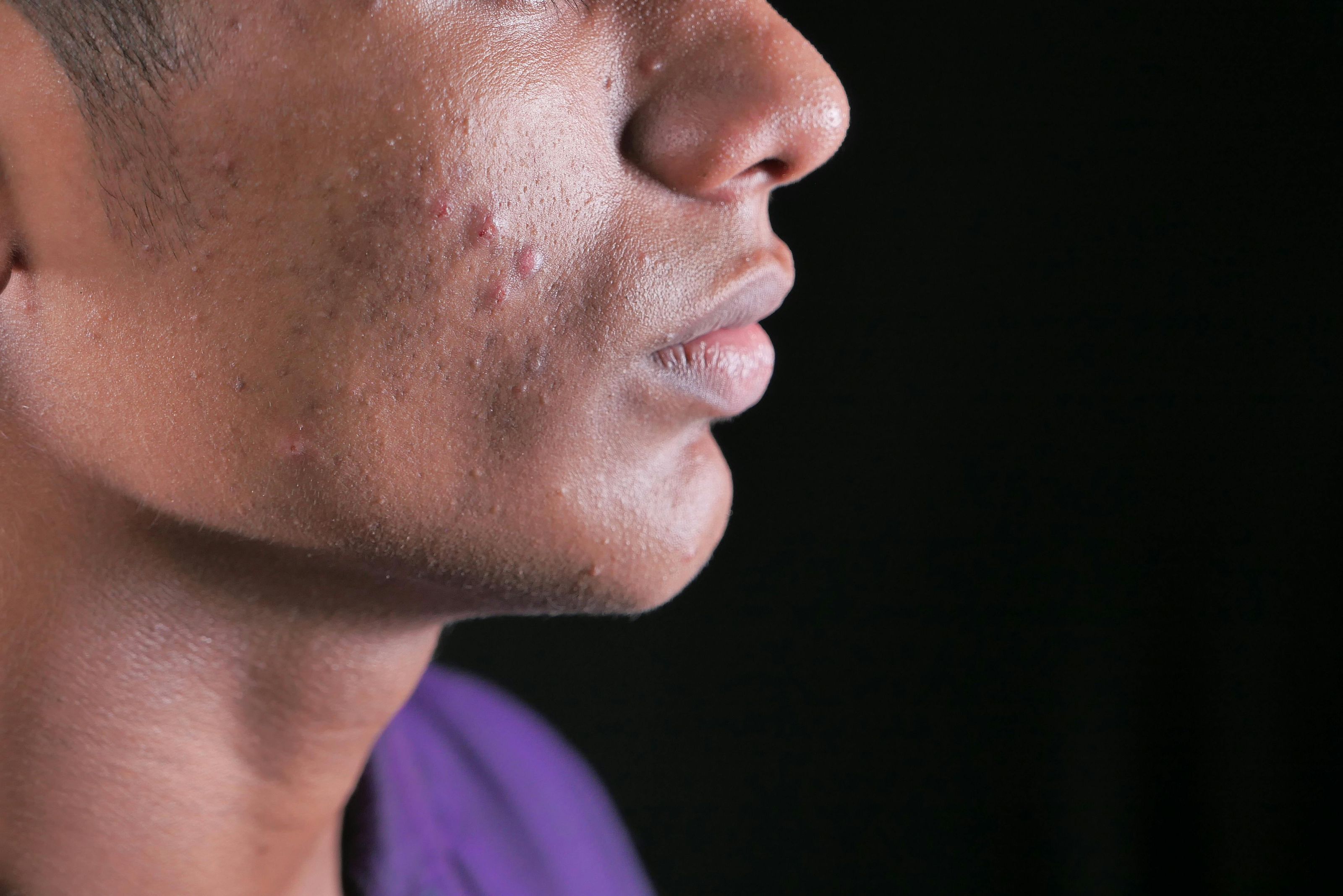
Providers assess acne severity using standardized grading systems, categorizing lesions as comedonal (blackheads and whiteheads), inflammatory (papules and pustules), or severe (nodules and cysts). The distribution pattern—whether acne appears on face, chest, back, or multiple areas—influences treatment selection.
Age, gender, and hormonal factors play crucial roles. Women's acne often follows distinct patterns and responds to different triggers than acne in men, requiring specialized approaches. Previous treatment history helps identify what has failed and why, preventing repetition of ineffective therapies.
Skin type and sensitivity determine medication selection and dosing strategies. What works for resilient, oily skin may prove too harsh for sensitive or dry skin types. Lifestyle factors, including occupation, athletic activities, and skincare habits, influence treatment practicality and compliance.
First-Line Recommendations: The Foundation of Treatment
Dermatologists typically begin with established first-line treatments proven effective through extensive research. These recommendations follow a stepwise approach, starting with the gentlest effective options.
Topical Retinoids: The Cornerstone
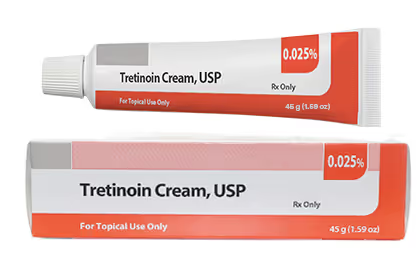
Tretinoin leads prescription retinoid therapy as the most extensively studied topical acne medication. Dermatologists consider retinoids essential for most acne cases because they address multiple pathogenic factors—normalizing skin cell turnover, preventing comedone formation, and reducing inflammation.
Prescription tretinoin provides superior results compared to over-the-counter retinol products. The direct retinoic acid formulation requires no conversion, delivering immediate receptor activation and faster results.
Providers typically start patients on lower concentrations (0.025%) to build tolerance, gradually increasing strength as skin adapts. This approach minimizes the irritation that causes many patients to discontinue treatment prematurely.
Combination Topical Therapy
Research consistently demonstrates that combination therapies outperform monotherapy. Dermatologists frequently prescribe multiple topical agents that work synergistically.
The combination of clindamycin with benzoyl peroxide represents a gold-standard pairing. Clindamycin provides antibacterial and anti-inflammatory effects while benzoyl peroxide prevents antibiotic resistance.
Fixed-combination products simplify regimens and improve compliance. Dermatologists often prescribe these formulations to ensure proper ingredient ratios and reduce complexity.
When Topicals Aren't Enough: Oral Medications
Moderate to severe acne typically requires systemic treatment. Dermatologists have clear guidelines for when to escalate from topical to oral therapy.
Oral Antibiotics: Rapid Inflammation Control
Doxycycline serves as the preferred oral antibiotic for inflammatory acne. Beyond antibacterial effects, doxycycline provides powerful anti-inflammatory action at sub-antimicrobial doses, reducing resistance risk.
Dermatologists limit antibiotic courses to 3-4 months when possible, always combining with topical therapy to maintain results after discontinuation. Alternative antibiotics like Duricef provide options for patients with tetracycline allergies or intolerance.
Hormonal Therapy: Addressing Root Causes
For women with hormonally-driven acne, dermatologists increasingly prescribe spironolactone as a first-line systemic treatment. This medication blocks androgen effects on sebaceous glands, reducing oil production at its source.
Spironolactone offers advantages over antibiotics for long-term use, avoiding resistance concerns while providing sustained benefits. Dermatologists often prefer this approach for adult women with persistent acne, particularly those with jawline distribution patterns suggesting hormonal involvement.
The Ultimate Recommendation: Isotretinoin for Persistent Acne
When other treatments fail or for severe acne, dermatologists turn to isotretinoin—the most effective acne treatment available. Accutane is used for any type of acne, especially persistent acne that hasn't responded to other therapies.
Why Dermatologists Consider Isotretinoin Unique
Isotretinoin stands alone in addressing all four major acne causes simultaneously. Research shows sebum production decreases by 90% during treatment, essentially eliminating the oil that feeds acne formation.
Unlike other treatments requiring indefinite use, isotretinoin often provides lasting remission after a single course. This unique ability to potentially cure acne makes it invaluable for patients tired of continuous treatment.
Dermatologists increasingly recognize that early isotretinoin use prevents scarring and reduces overall treatment burden. Rather than reserving it as a last resort, many providers now recommend it sooner for appropriate candidates.
Modern Isotretinoin Protocols
Contemporary dermatology embraces personalized isotretinoin dosing. Low-dose Accutane regimens extend treatment duration while minimizing side effects, improving tolerability without sacrificing efficacy.
Better-absorbed formulations like Absorica allow more flexible dosing and improved consistency. Dermatologists can tailor protocols to individual needs, balancing effectiveness with quality of life during treatment.
Custom Compounding: Personalized Prescriptions
Leading dermatologists increasingly utilize custom compounding to create personalized medications. This approach allows providers to combine multiple active ingredients into single formulations tailored to specific needs.
A dermatologist might prescribe a custom compound containing tretinoin for cell turnover, clindamycin for bacterial control, niacinamide for barrier support and anti-inflammation, and azelaic acid for pigmentation management—all in concentrations adjusted for individual tolerance.
This personalization level surpasses any commercial product, allowing dermatologists to address multiple concerns simultaneously while minimizing irritation through careful concentration adjustment.
Evidence-Based Combination Strategies
Modern dermatology emphasizes multi-modal treatment approaches. Meta-analyses confirm that combination therapies significantly outperform single agents.
A typical dermatologist-recommended regimen might include morning application of clindamycin/benzoyl peroxide gel, evening tretinoin application, oral doxycycline for initial inflammation control, and transition to spironolactone or isotretinoin for long-term management.
This comprehensive approach targets acne from multiple angles, providing faster clearance and better long-term control than any single treatment could achieve.
What Dermatologists Don't Recommend
Understanding what experts avoid is as important as knowing what they prescribe. Despite marketing claims, dermatologists rarely recommend certain popular treatments due to lack of evidence or potential harm.
Treatments Lacking Evidence
Most "natural" remedies lack rigorous clinical validation. While tea tree oil shows mild antimicrobial properties, it doesn't match proven treatments' effectiveness. Apple cider vinegar, despite internet popularity, can cause significant irritation without proven benefits.
Dietary supplements marketed for acne typically lack quality evidence. While some patients report improvement with zinc or omega-3 supplements, dermatologists don't consider these primary treatments.
Potentially Harmful Practices
Dermatologists strongly advise against aggressive physical exfoliation, which can worsen inflammation and spread bacteria. Similarly, over-cleansing strips protective oils, triggering rebound oil production.
Picking or attempting to extract deep lesions at home significantly increases scarring risk. Professional extraction, when necessary, requires proper technique and sterile instruments.
The Importance of Proper Sun Protection
Every dermatologist emphasizes sun protection during acne treatment. Many acne medications increase photosensitivity, making sunscreen non-negotiable. This is particularly crucial during isotretinoin treatment.
Dermatologists recommend broad-spectrum SPF 30 or higher applied daily, regardless of weather or indoor plans. Non-comedogenic formulations prevent pore clogging while providing essential protection.
Sun exposure can worsen post-inflammatory hyperpigmentation, the dark marks following acne resolution. Consistent sun protection accelerates fading and prevents new pigmentation.
Managing Treatment Expectations
Dermatologists emphasize realistic expectations to maintain treatment compliance. Most acne medications require 8-12 weeks for significant improvement, with some initial worsening possible.
The "purging" phase with retinoids represents existing microcomedones surfacing, not treatment failure. Understanding this prevents premature discontinuation.
Even powerful treatments like isotretinoin don't work overnight. Dermatologists prepare patients for the treatment journey, explaining timelines and potential setbacks to ensure persistence through challenges.
The Role of Maintenance Therapy
Achieving clear skin is only half the battle—maintaining results requires ongoing care. Dermatologists design maintenance protocols to prevent recurrence while minimizing treatment burden.
Typical maintenance might involve continued topical retinoid use, periodic benzoyl peroxide application, hormonal therapy continuation for appropriate patients, and adjusted skincare routines supporting skin health.
The goal is finding the minimal effective regimen that maintains clearance without overtreatment. This individualized approach recognizes that maintenance needs vary significantly between patients.
When to Seek Dermatologist Care
Dermatologists recommend professional evaluation when over-the-counter treatments fail after 2-3 months, acne is moderate to severe or cystic, scarring or dark marks are developing, acne significantly impacts emotional well-being, or hormonal patterns suggest systemic involvement.
Early professional intervention prevents scarring and reduces overall treatment duration. Delaying appropriate care often results in more aggressive treatment needs and permanent skin changes.
Special Populations and Considerations
Dermatologists tailor recommendations for specific populations with unique needs.
Pregnancy and Breastfeeding
Treatment options during pregnancy are limited. Dermatologists typically recommend azelaic acid as a safe, effective option, certain topical antibiotics under careful monitoring, and gentle benzoyl peroxide in limited areas.
Isotretinoin and spironolactone are absolutely contraindicated during pregnancy. Dermatologists ensure appropriate contraception before starting these medications.
Darker Skin Tone
Dermatologists recognize that darker skin tones face increased risk of post-inflammatory hyperpigmentation. Treatment modifications include starting with lower retinoid strengths, emphasizing gentle approaches, incorporating ingredients targeting pigmentation, and aggressive sun protection.
Early, appropriate treatment prevents the hyperpigmentation that can persist longer than acne itself in patients with darker skin.
The Future of Dermatologist-Recommended Treatments
Emerging treatments show promise for expanding dermatologists' arsenal. Novel topical agents like clascoterone provide new mechanisms of action. Laser and light therapies continue advancing, offering non-pharmacological options.
Microbiome-based treatments represent an entirely new frontier, potentially restoring skin balance without traditional medications. While still investigational, these approaches may revolutionize future acne treatment.
Accessing Expert Dermatology Care with Honeydew
At Honeydew, we bring dermatologist-level expertise directly to you through convenient online care. Our providers follow evidence-based guidelines while personalizing treatment to your unique needs.
We offer the full spectrum of dermatologist-recommended treatments, from prescription-strength tretinoin and clindamycin to systemic options like spironolactone and innovative low-dose Accutane protocols.
Our custom compounding services allow creation of personalized formulations matching what leading dermatologists prescribe. We manage your entire treatment journey online, from initial consultation through maintenance, ensuring you receive expert care without the traditional barriers to access.
Don't settle for generic solutions when expert, personalized care is available. Let our providers design a treatment plan based on the latest dermatology evidence and tailored to your specific needs.