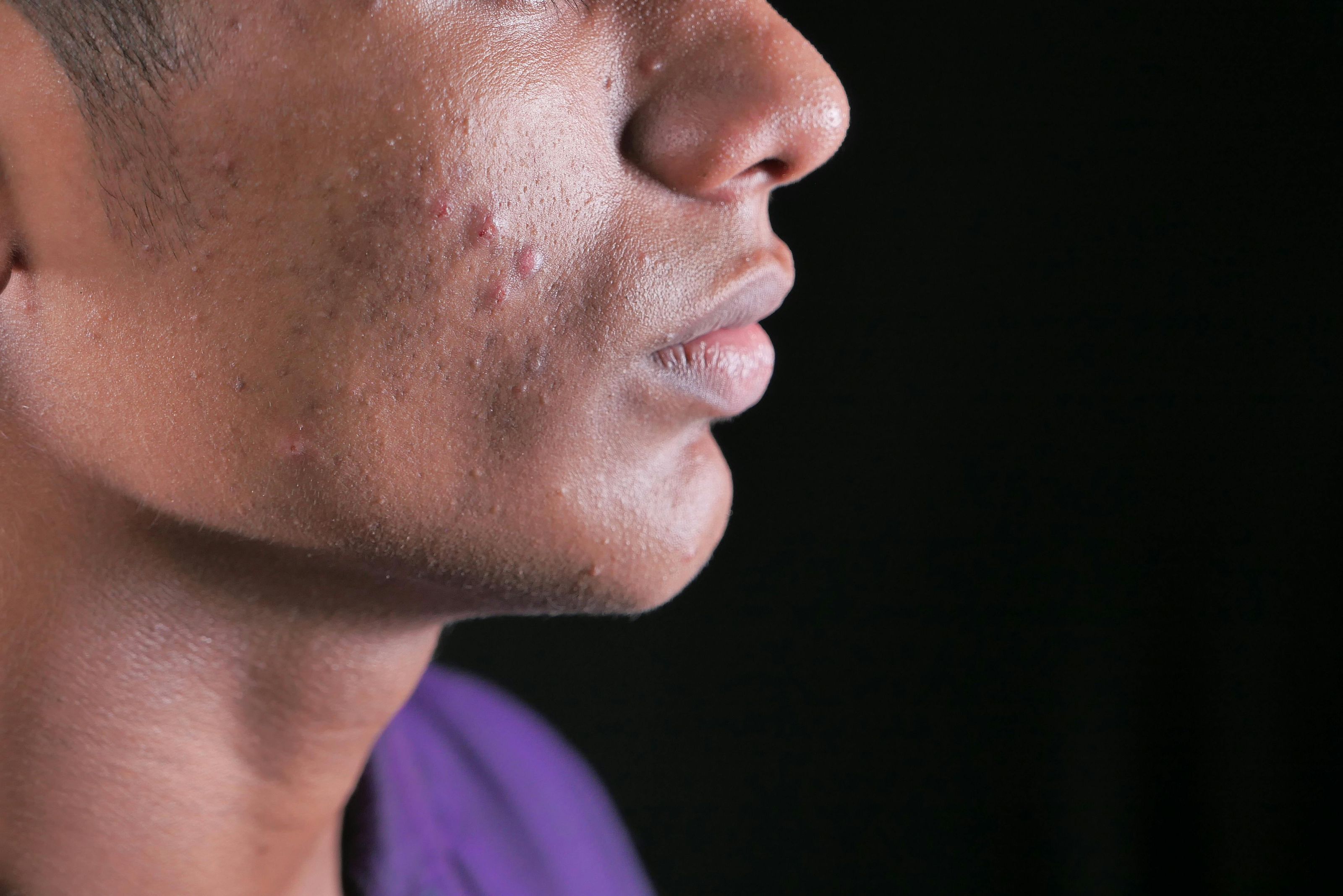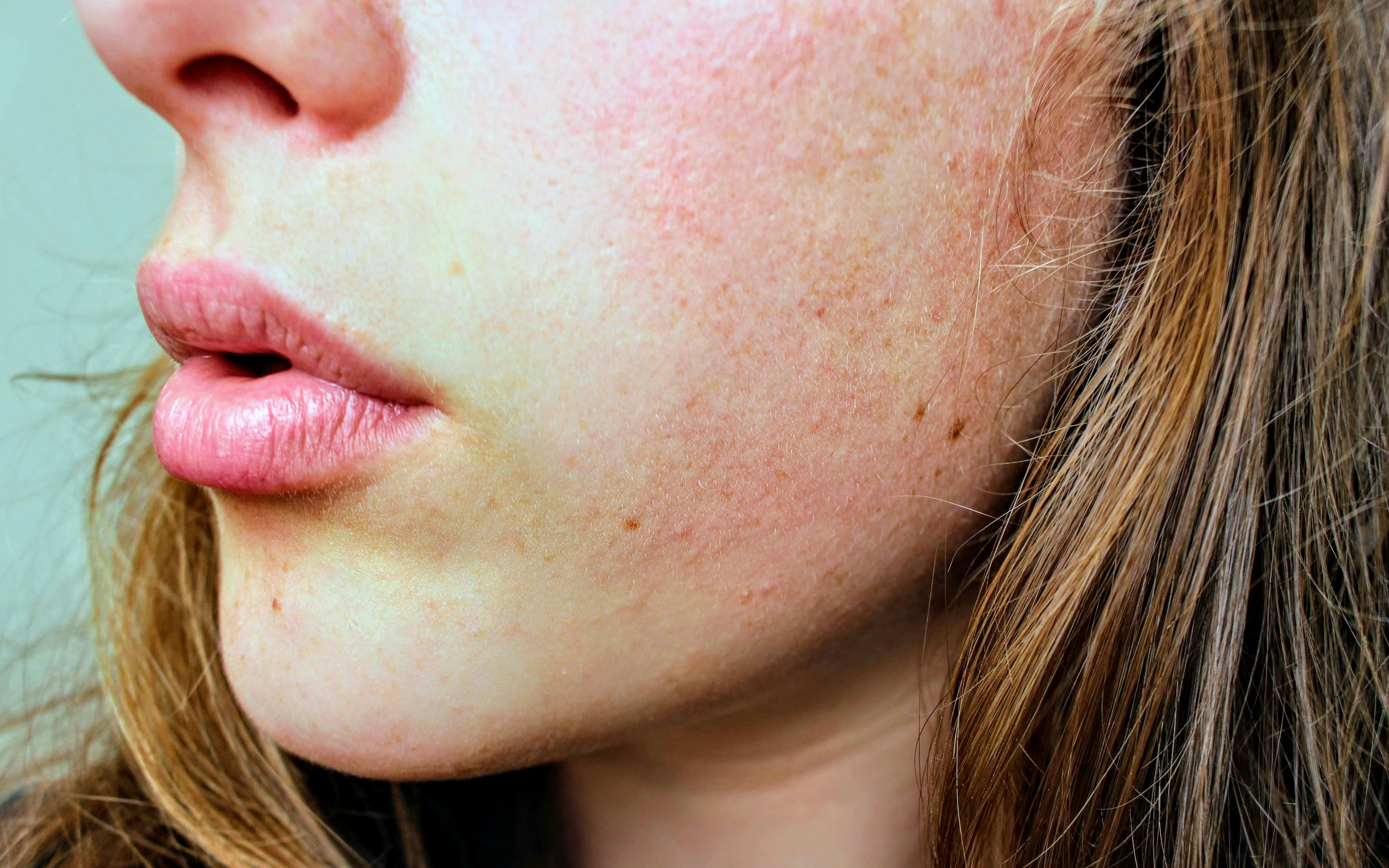

Hormonal acne frustrates millions of adults who thought their skin troubles would end with adolescence. This persistent condition, characterized by deep, painful breakouts along the jawline and lower face, resists many conventional acne treatments. The cyclical nature of hormonal acne—worsening with menstrual cycles, stress, or life changes—makes it particularly challenging to manage without understanding its underlying mechanisms. Additionally, taking hormones like testosterone can also cause acne as a side effect.
At Honeydew, we recognize that hormonal acne requires a specialized approach that addresses the root cause rather than just surface symptoms. Our providers understand the complex interplay between hormones and skin health, offering targeted treatments that restore balance and deliver lasting results.
The Science Behind Hormonal Acne
Hormonal acne specifically refers to breakouts caused by fluctuations in our hormones. While often associated with puberty's hormonal roller coaster, it frequently persists into adulthood, particularly affecting women in their twenties, thirties, and beyond.
The primary culprits are androgens—hormones like testosterone that everyone produces, regardless of gender. When androgen levels rise or when skin becomes more sensitive to normal androgen levels, sebaceous glands respond by producing excess oil. This increased sebum production combines with dead skin cells to clog pores, creating the perfect environment for bacterial growth and inflammation.
Women experience unique hormonal fluctuations throughout their menstrual cycle. The week leading up to menstruation shows a spike in hormone levels, which can result in increased sebum production and subsequent acne. Many women can predict their period's arrival based on their skin's condition alone.
Stress compounds the problem by triggering cortisol release, which can increase androgen production and worsen inflammation. This creates a vicious cycle where acne causes stress, which then exacerbates the acne.
Recognizing Hormonal Acne Patterns
Hormonal acne presents distinct characteristics that differentiate it from other acne types. Understanding these patterns helps determine whether hormones are driving your breakouts.
Location Tells the Story
Hormonal acne commonly appears on the lower face, jawline, and neck. This distribution pattern, sometimes called the "beard area," corresponds to areas with high androgen receptor density. Women who consistently break out in these zones likely have hormonally-driven acne.
The chest and back can also be affected, particularly in cases where androgen levels are significantly elevated. These areas contain numerous sebaceous glands that respond dramatically to hormonal stimulation.
Timing and Triggers
Hormonal acne often follows predictable patterns. Many women notice breakouts align with their menstrual cycles, typically worsening in the luteal phase (after ovulation, before menstruation). This cyclical pattern strongly suggests hormonal involvement.
Life events that alter hormone levels—puberty, pregnancy, starting or stopping birth control, perimenopause—frequently trigger or worsen hormonal acne. Polycystic ovary syndrome (PCOS), which affects hormone balance, commonly causes persistent acne alongside other symptoms.
Lesion Characteristics
Hormonal acne often presents as deep, painful cysts rather than surface-level blackheads or whiteheads. These tender nodules develop deep within the skin and can take weeks to resolve. They often leave behind post-inflammatory hyperpigmentation or scarring.
Unlike typical teenage acne that includes various lesion types, adult hormonal acne tends to be more uniform in appearance—primarily inflammatory papules and cysts concentrated in hormone-sensitive areas.
Why Traditional Acne Treatments Often Fall Short
Many people with hormonal acne have tried numerous over-the-counter products and even prescription topicals with limited success. This frustrating experience stems from the fact that hormonal acne originates internally, making external treatments less effective.
Topical treatments like benzoyl peroxide and salicylic acid can help manage surface bacteria and unclog pores, but they don't address the hormonal triggers driving excess oil production. Even prescription retinoids, while helpful for normalizing skin cell turnover, may not be sufficient alone for hormonal acne.
This explains why many adults find themselves cycling through products without achieving lasting results. The acne improves temporarily but returns with the next hormonal fluctuation. Breaking this cycle requires treatments that target hormones directly.
Hormonal Therapy: Targeting the Root Cause
The most effective treatments for hormonal acne work by either reducing androgen levels or blocking their effects on sebaceous glands. These systemic approaches address the internal drivers of hormonal acne.
Spironolactone: The Game-Changer
Spironolactone has transformed hormonal acne treatment for women. This prescription medication minimizes the impact of testosterone by blocking androgen receptors in the skin, preventing hormones from triggering excess oil production.
Originally developed as a diuretic for high blood pressure, spironolactone's anti-androgen effects make it remarkably effective for hormonal acne. Studies show dosages between 50 to 200 mg daily significantly reduce acne in most women.
Most women notice decreased breakouts and oiliness within a few weeks, though full results typically take three to six months. The medication works particularly well for deep, cystic acne along the jawline that hasn't responded to other treatments.
Side effects are generally mild and may include increased urination, breast tenderness, and menstrual irregularities. These effects often improve with continued use or dose adjustment. Regular monitoring ensures safe, effective treatment.
Birth Control Pills: Hormonal Regulation
Oral contraceptives can regulate hormones and reduce or prevent acne. Combined oral contraceptives containing both estrogen and progestin work by suppressing ovarian androgen production and increasing sex hormone-binding globulin, which reduces free testosterone levels.
Not all birth control pills help acne equally. Pills containing anti-androgenic progestins like drospirenone or norgestimate typically provide the best results. Some progestins can actually worsen acne, making proper selection crucial.
Women often see improvement within three months of starting hormonal contraceptives, with continued improvement over six months. The combination of birth control with other acne treatments often produces optimal results.
When Hormonal Treatments Aren't Enough: The Role of Accutane
While hormonal therapies effectively treat many cases of hormonal acne, some patients need more comprehensive treatment. Accutane (isotretinoin) offers a powerful solution for persistent hormonal acne that hasn't responded to other treatments.
Accutane is effective for any type of acne, especially persistent acne. The medication works by dramatically reducing sebum production—studies show a 90% decrease—effectively eliminating the oil that feeds hormonal acne.
Unlike hormonal treatments that must be continued long-term, Accutane often provides lasting results after a single treatment course. Many patients experience years or even permanent clearance of their hormonal acne.
At Honeydew, we specialize in low-dose Accutane protocols that minimize side effects while delivering excellent results. This modern approach makes isotretinoin more tolerable, especially for adult women concerned about dryness and other side effects.
Better-absorbed formulations like Absorica allow for lower effective doses, further improving tolerability while maintaining efficacy.
Combination Approaches for Optimal Results
The most successful hormonal acne treatment often involves combining multiple approaches. This comprehensive strategy targets hormonal triggers while addressing existing acne and preventing future breakouts.
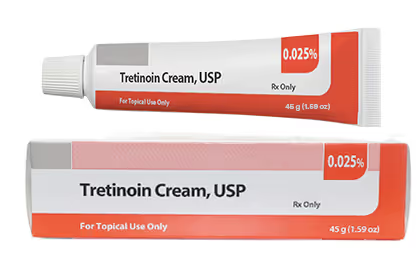
At Honeydew, our providers often combine hormonal therapies with topical or oral medications for enhanced results. For example, pairing spironolactone with topical tretinoin addresses both hormonal triggers and skin cell turnover.
Adding clindamycin or doxycycline during the initial treatment phase can quickly reduce inflammation while waiting for hormonal treatments to take full effect.
Custom compounding allows us to create personalized topical formulations that complement hormonal therapy. These might include anti-inflammatory ingredients, gentle retinoids, and agents that address post-inflammatory hyperpigmentation common with hormonal acne.
Special Considerations for Different Life Stages
Hormonal acne treatment must adapt to different life circumstances and stages. What works for a twenty-something may not be appropriate for someone trying to conceive or experiencing perimenopause.
Pregnancy and Breastfeeding
Treatment options during pregnancy are limited due to safety concerns. Spironolactone and isotretinoin are absolutely contraindicated during pregnancy due to risk of birth defects.
Safe options include azelaic acid, which has antibacterial and anti-inflammatory properties without systemic hormone effects. Certain topical antibiotics like clindamycin may be used under medical supervision. After delivery, treatment options expand, though breastfeeding still limits some choices.
PCOS and Hormonal Acne
Women with polycystic ovary syndrome face particular challenges with hormonal acne. The condition causes elevated androgen levels, insulin resistance, and irregular periods—all contributing to persistent, severe acne.
Treatment often requires a multi-faceted approach addressing both PCOS and acne. Spironolactone works particularly well for PCOS-related acne, often combined with metformin to address insulin resistance. Some women benefit from specific oral contraceptives that help regulate both periods and acne.
Adult-Onset Hormonal Acne
Adult-onset acne, particularly in women, can persist into their 30s, 40s, and even 50s. This late-onset or persistent acne often has strong hormonal components related to perimenopause, stress, or underlying conditions.
Treatment must consider skin that may be more sensitive and prone to dryness than younger skin. Lower-strength topicals, gentle formulations, and adequate moisturization become even more important. Hormonal treatments like spironolactone often work exceptionally well for this population.
Lifestyle Factors That Impact Hormonal Acne
While medication forms the cornerstone of hormonal acne treatment, lifestyle modifications can significantly impact results. Understanding these factors helps optimize treatment outcomes.
Diet and Hormonal Balance
Emerging research suggests diet influences hormonal acne through effects on insulin and IGF-1 levels. High-glycemic foods and dairy products may worsen acne in susceptible individuals by increasing insulin-like growth factor, which stimulates androgen production.
A diet rich in omega-3 fatty acids, antioxidants, and whole foods may help reduce inflammation and support hormonal balance. While diet alone rarely clears hormonal acne, it can enhance medical treatment effectiveness.
Stress Management
Stress raises cortisol levels, which can increase androgen production and worsen acne. Implementing stress management techniques—meditation, regular exercise, adequate sleep—can help break the stress-acne cycle.
Some patients find that addressing stress and improving sleep quality enhances their response to hormonal acne treatments. This holistic approach recognizes the interconnection between mental health, hormones, and skin.
Managing Treatment Expectations
Hormonal acne treatment requires patience and realistic expectations. Unlike spot treatments that might reduce a pimple overnight, hormonal therapies work gradually to rebalance your system.
Spironolactone typically takes three to six months for full results. During this time, gradual dose increases help minimize side effects while building to an effective level. Some women see improvement within weeks, while others need the full timeframe.
Birth control pills similarly require several months to regulate hormones and improve acne. Initial worsening sometimes occurs as the body adjusts to new hormone levels.
Even Accutane, despite its powerful effects, doesn't work immediately. The medication often causes an initial flare before improvement begins, with full results developing over 4-6 months of treatment.
When to Seek Professional Help
Recognizing when to seek professional treatment for hormonal acne can save months or years of ineffective self-treatment. Consider professional help if your acne consistently appears along the jawline and lower face, worsens with menstrual cycles or stress, consists of deep, painful cysts rather than surface blemishes, hasn't responded to over-the-counter treatments after 2-3 months, or is causing emotional distress or scarring.
A dermatology provider can accurately diagnose hormonal acne and recommend appropriate treatments. They can also identify underlying conditions like PCOS that may be contributing to your acne.
The Importance of Maintenance Therapy
Unlike some acne types that resolve with treatment, hormonal acne often requires ongoing management. Hormones continue fluctuating throughout life, making maintenance therapy essential for sustained results.
Many women continue spironolactone or birth control pills long-term to maintain clear skin. These medications have good long-term safety profiles when monitored appropriately. The goal is finding the lowest effective dose that prevents breakouts.
Some patients transition from intensive treatment to maintenance with topical retinoids and occasional spot treatments. Others find that after successful Accutane treatment, they can manage occasional hormonal breakouts with simpler regimens.
Your Path to Clear Skin with Honeydew
At Honeydew, we understand the unique challenges of hormonal acne. Our providers specialize in comprehensive treatment approaches that address both the hormonal triggers and visible symptoms of your acne.
We offer the full spectrum of hormonal acne treatments, from spironolactone to innovative low-dose Accutane protocols. Our providers can prescribe complementary treatments like tretinoin, clindamycin, or doxycycline to accelerate results.
Through custom compounding, we create personalized formulations that address your specific skin concerns while working synergistically with hormonal treatments. Our entirely online process means you receive expert care without the inconvenience of office visits.
We provide ongoing support and treatment adjustments to ensure you achieve and maintain the clear skin you deserve. Hormonal acne doesn't have to control your life—let us help you take control of your skin.