
Severe acne devastates more than just skin—it impacts every aspect of life. The physical pain of deep, inflamed lesions combines with emotional distress from visible disfigurement and scarring risk. When acne reaches this severity, gentle approaches and patience are luxuries patients cannot afford. Aggressive, comprehensive treatment becomes essential to prevent permanent damage and restore quality of life.
At Honeydew, we understand the urgency of treating severe acne effectively. Our providers specialize in powerful, evidence-based treatments that address serious acne comprehensively. We believe everyone deserves access to treatments that can transform even the most challenging cases.
Defining Severe Acne: When Standard Treatment Isn't Enough
Severe acne encompasses several presentations that share common characteristics: widespread distribution, deep inflammation, high scarring potential, and resistance to conventional treatments. Understanding these patterns helps identify when aggressive intervention is necessary.
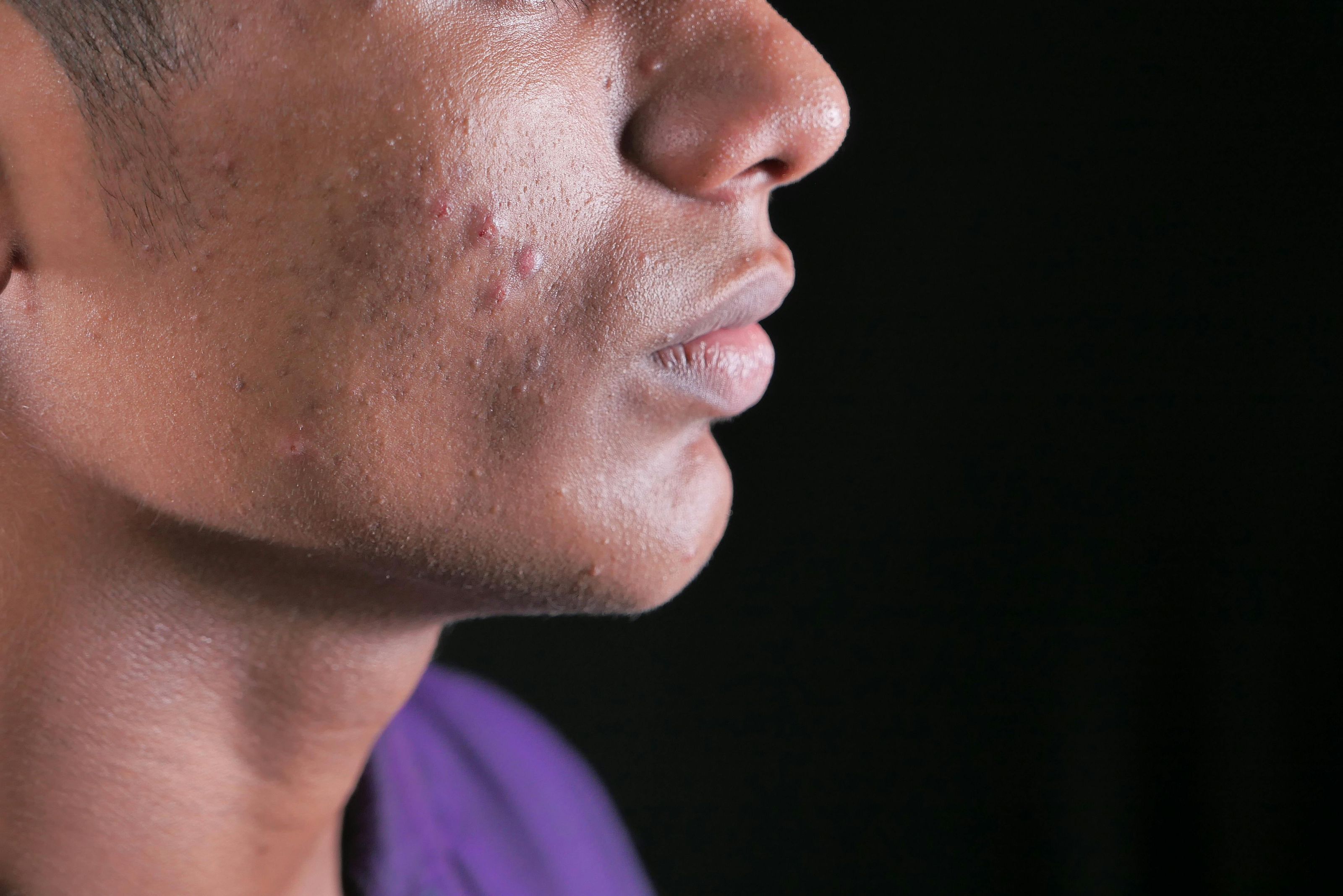
Nodulocystic acne represents the classic severe presentation, with large, painful nodules and cysts affecting face, chest, and back. Conglobate acne, an even more severe form, features interconnected nodules forming sinus tracts beneath the skin. Fulminans acne, though rare, causes sudden onset of painful, ulcerating lesions with systemic symptoms like fever and joint pain.
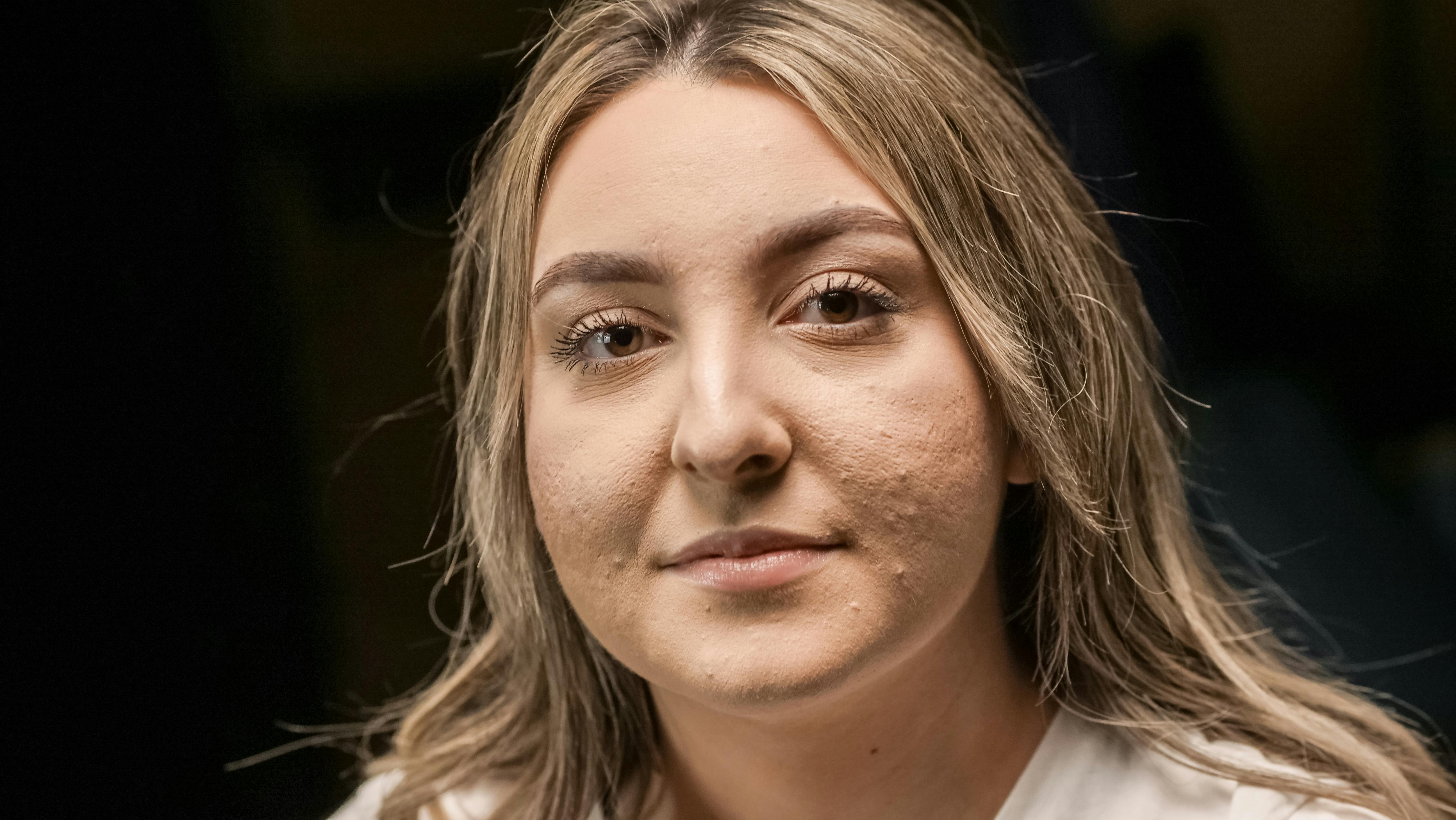
These severely inflamed lesions, nodular acne, and cystic acne require immediate, aggressive treatment to prevent extensive scarring and psychological trauma.
Why Severe Acne Demands Urgent Treatment
The consequences of undertreating severe acne extend far beyond temporary blemishes. Deep inflammatory lesions destroy dermal architecture, creating permanent atrophic or hypertrophic scars that are difficult and expensive to treat once formed.
Psychological impacts often equal or exceed physical damage. Studies consistently demonstrate that severe acne correlates with depression, anxiety, and suicidal ideation rates comparable to chronic medical conditions. Social isolation, impaired academic or work performance, and damaged relationships frequently accompany untreated severe acne.
Every day of delayed treatment increases scarring risk and psychological burden. This urgency distinguishes severe acne management from mild cases where gradual approaches are acceptable.
Initial Aggressive Intervention
When patients present with severe acne, dermatologists often begin with combination therapy to rapidly control inflammation while initiating definitive treatment.
Oral Antibiotics for Immediate Control
Doxycycline provides rapid anti-inflammatory effects essential for severe acne. Tetracycline antibiotics work through both antimicrobial and anti-inflammatory mechanisms, quickly reducing the pain and swelling of severe lesions.
Initial dosing often starts higher (100-200mg daily) to achieve quick control, then tapers as inflammation subsides. Alternative antibiotics like Duricef provide options for tetracycline-intolerant patients.
While antibiotics don't address all acne causes, they provide crucial initial control while starting more comprehensive treatments. Limiting duration to 3-4 months prevents resistance while bridging to long-term solutions.
Systemic Corticosteroids for Crisis Management
In cases of fulminans acne or severe nodulocystic flares, short courses of oral corticosteroids may be necessary. Prednisone rapidly reduces severe inflammation, providing relief while other treatments begin working.
Corticosteroids require careful management to avoid rebound flares upon discontinuation. They're typically reserved for the most severe presentations or to control initial flares when starting isotretinoin.
Hormonal Management for Severe Acne
Many severe acne cases, particularly in adult women, have significant hormonal components requiring targeted therapy.
High-Dose Spironolactone Protocols
Spironolactone can be remarkably effective for severe hormonal acne when dosed appropriately. While typical dosing ranges from 50-200mg daily, severe cases may require the higher end of this range.
The medication's anti-androgen effects reduce sebum production dramatically, addressing a fundamental driver of severe acne. Women with severe jawline and truncal acne often experience transformative results with adequate spironolactone dosing.
Gradual dose escalation minimizes side effects while building to therapeutic levels. Regular monitoring ensures safety while optimizing dosing for maximum benefit.
Isotretinoin: The Definitive Treatment for Severe Acne
For severe acne, Accutane (isotretinoin) represents the most powerful and comprehensive treatment available. This medication is particularly effective for severely inflamed lesions, nodular acne, and cystic acne.
Why Isotretinoin Works When Everything Else Fails
Isotretinoin uniquely addresses all four pathogenic factors of acne simultaneously. Sebum production decreases by up to 90%, essentially eliminating the oil that feeds severe acne. The medication normalizes follicular keratinization, reduces P. acnes bacteria, and provides powerful anti-inflammatory effects.
This comprehensive mechanism explains why isotretinoin succeeds where other treatments fail. No other single medication matches its ability to shut down acne pathogenesis completely.
Dosing Strategies for Severe Cases
Traditional isotretinoin dosing for severe acne targets cumulative doses of 120-150mg/kg. However, modern approaches recognize that dosing must balance efficacy with tolerability.
Low-dose Accutane protocols extend treatment duration while using smaller daily doses. This approach significantly reduces side effects while maintaining excellent clearance rates, particularly important for patients struggling with conventional dosing.
Absorica, a better-absorbed formulation, provides more consistent results and may allow lower total doses. This is especially valuable for severe acne patients who need reliable absorption despite dietary variations.
Managing the Initial Flare
Severe acne often worsens initially with isotretinoin as deep lesions surface. This flare can be dramatic and distressing, requiring careful management.
Starting with lower doses (10-20mg daily) and gradually increasing helps minimize flaring. Concurrent prednisone during the first weeks can prevent severe flares in high-risk patients. Some providers begin antibiotics before isotretinoin, controlling inflammation before starting the retinoid.
Combination Approaches for Optimal Results
Research confirms that combination therapies provide superior outcomes for severe acne. Multi-modal approaches target different aspects simultaneously, providing faster and more complete clearance.
Topical Adjuncts to Systemic Treatment
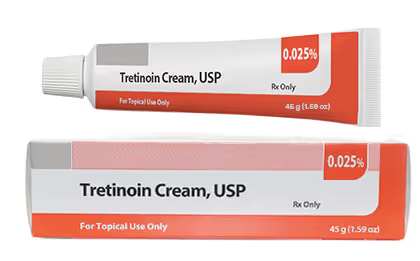
Even with powerful oral medications, topical treatments enhance results. Tretinoin helps normalize follicular keratinization, complementing systemic therapy. Clindamycin with benzoyl peroxide provides additional antimicrobial and anti-inflammatory effects.
Custom-compounded formulations allow combination of multiple agents tailored to individual needs. These personalized topicals can address specific concerns like post-inflammatory hyperpigmentation while supporting systemic treatment.
Sequential Therapy Protocols
Some severe acne cases benefit from sequential treatment approaches. Initial control with antibiotics and topicals, followed by hormonal therapy for appropriate candidates, then isotretinoin for definitive treatment, ensures each phase builds on previous progress.
This stepwise approach allows dose optimization and side effect management while maintaining continuous improvement. Patients experience steady progress rather than overwhelming initial treatment burden.
Managing Complications of Severe Acne
Severe acne often causes complications requiring additional management alongside primary treatment.
Scar Prevention and Early Intervention
Preventing scars is far easier than treating them. Aggressive early treatment of severe acne represents the best scar prevention strategy. Every deep lesion carries scarring potential, making rapid control essential.
For active inflammatory lesions, intralesional corticosteroid injections can prevent severe scarring. These injections rapidly reduce inflammation in large nodules, minimizing tissue destruction.
Once acne is controlled, early scar treatment improves outcomes. Procedures like chemical peels, microneedling, or laser therapy work best when started soon after active acne resolves.
Managing Post-Inflammatory Hyperpigmentation
Severe acne frequently leaves dark marks that persist long after lesions heal. These marks can be as distressing as active acne, particularly for patients with darker skin tones.
Ingredients like azelaic acid, vitamin C, and hydroquinone accelerate fading when incorporated into treatment regimens. Strict sun protection prevents further darkening and supports resolution.
Addressing Secondary Infections
Severe inflammatory acne sometimes becomes secondarily infected with other bacteria. Signs include increased pain, spreading redness, or purulent drainage different from typical acne.
Bacterial cultures guide appropriate antibiotic selection when secondary infection is suspected. Prompt treatment prevents complications like cellulitis or abscess formation.
Psychological Support During Treatment
The psychological burden of severe acne demands attention alongside physical treatment. Depression and anxiety frequently accompany severe acne, potentially interfering with treatment compliance and overall well-being.
Providers should screen for psychological impacts and provide appropriate support. This might include referral to mental health professionals, support groups for acne patients, or counseling about realistic treatment expectations.
Emphasizing that effective treatment exists and improvement is expected provides hope during difficult early treatment phases. Regular follow-up and encouragement maintain motivation through treatment challenges.
Special Populations with Severe Acne
Certain populations face unique challenges when treating severe acne.
Adolescents with Severe Acne
Teenagers with severe acne require special consideration. The psychological impact during crucial developmental years can be devastating, affecting self-esteem, social development, and academic performance.
Early, aggressive treatment prevents both physical and psychological scarring. Isotretinoin is approved for adolescents and often represents the best option for severe teenage acne. Family involvement and support enhance treatment success.
Pregnancy and Severe Acne
Treatment options during pregnancy are severely limited. Isotretinoin and spironolactone are absolutely contraindicated, and many antibiotics are restricted.
Safe options include azelaic acid for mild inflammation, limited topical antibiotics under close monitoring, and gentle benzoyl peroxide in restricted areas. Severe cases may require accepting limited treatment during pregnancy, with aggressive therapy post-delivery.
Adult-Onset Severe Acne
Adults developing severe acne for the first time require evaluation for underlying causes. Hormonal disorders, medications, or occupational exposures sometimes trigger late-onset severe acne.
Treatment must consider adult skin's different needs—increased sensitivity, concurrent anti-aging concerns, and professional appearance requirements. Lower initial doses with gradual escalation often work better for adult skin.
Maintenance After Clearing Severe Acne
Achieving clearance of severe acne represents a major accomplishment, but maintaining results requires ongoing attention. The skin that produced severe acne remains prone to recurrence without proper maintenance.
Post-isotretinoin maintenance might include topical retinoids to maintain normalized keratinization, periodic benzoyl peroxide to prevent bacterial proliferation, and hormonal therapy continuation for appropriate patients.
Some patients require repeated isotretinoin courses for recurrent severe acne. Modern low-dose protocols make repeated treatment more tolerable when necessary.
Regular follow-up allows early intervention if acne begins returning, preventing progression back to severe disease.
The Cost of Delayed Treatment
Delaying appropriate treatment for severe acne carries significant costs beyond medical expenses. Permanent scarring often requires expensive cosmetic procedures not covered by insurance. Lost productivity from psychological impacts and medical appointments accumulates over time.
Early, aggressive treatment prevents these long-term consequences. The investment in proper treatment pays dividends through prevented scarring, improved mental health, and restored confidence.
Your Partner in Conquering Severe Acne
At Honeydew, we specialize in treating severe acne with the comprehensive, aggressive approaches these challenging cases demand. Our providers understand the urgency and offer immediate access to powerful treatments.
We provide the full spectrum of severe acne treatments, from high-dose spironolactone and systemic antibiotics like doxycycline to Accutane and innovative low-dose protocols. Our custom compounding services create personalized formulations supporting aggressive systemic treatment.
Through our entirely online platform, we eliminate barriers to accessing expert care when you need it most. We manage your complete treatment journey, from initial crisis through clearance and maintenance, ensuring you receive the comprehensive care severe acne demands.
Severe acne doesn't have to control your life. With proper treatment, even the most challenging cases can achieve remarkable improvement. Let us help you access the powerful treatments that can transform your skin and restore your confidence.